lithium hydroxide mono About
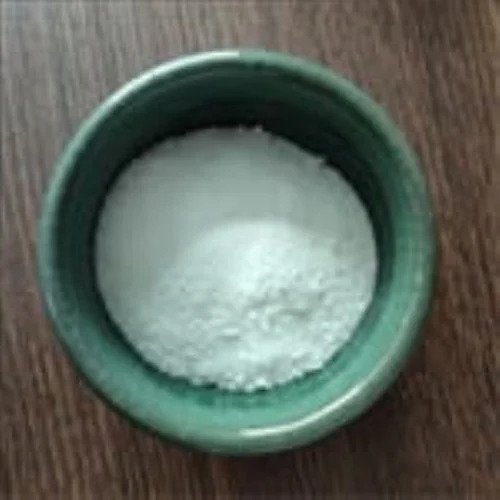
Lithium hydroxide monohydrate () is a white, crystalline, inorganic compound that acts as a strong, water-soluble base. It is heavily utilized to produce lithium-ion battery cathodes, lubricants, and air purification systems due to its high CO absorption capability. It is generally handled as a powder or small, colorless monoclinic crystals.
Reliable Battery Material for Modern IndustryLithium hydroxide mono delivers high performance as a key ingredient in lithium-ion battery cathodes, thanks to its exceptional purity and chemical stability. It supports reliable energy storage, making it indispensable for modern electronics and electric vehicles. Its application extends to lubricants, glass, ceramics, and air purification, confirming its versatility in both advanced and traditional industries.
Safe Handling and Storage GuidelinesGiven its strong alkaline nature and potential to cause severe skin and eye burns, lithium hydroxide mono must be handled with appropriate personal protective equipment. Store the product in tightly sealed containers in a cool, dry environment away from incompatible substances. Always follow the manufacturer's guidelines to ensure long-term product stability and user safety.
FAQ's of lithium hydroxide mono:
Q: How should lithium hydroxide mono be stored to maintain its quality and stability?
A: Store lithium hydroxide mono in tightly sealed containers, placed in a cool, dry environment. Proper storage ensures thermal stability and maintains quality for up to 24 months from the manufacture date.
Q: What are the primary industrial uses of lithium hydroxide mono?
A: Lithium hydroxide mono is widely used as a cathode material in lithium-ion batteries, for manufacturing lubricating grease, in metallurgy, ceramics, glass, and air purification. Its high purity and alkalinity make it suitable for demanding applications.
Q: When is lithium hydroxide mono considered harmful, and what precautions should be taken?
A: Lithium hydroxide mono is harmful if swallowed and can cause severe burns on skin and eyes. Always use gloves, eye protection, and avoid direct contact. In case of exposure, seek medical attention immediately.
Q: Where is lithium hydroxide mono typically sourced from and which standards does it comply with?
A: Lithium hydroxide mono is typically manufactured in China using lithium carbonate or lithium minerals as raw materials. It complies with GB/T 8720-2017 standards and carries the UN2680 designation for transport.
Q: What is the process of using lithium hydroxide mono in battery manufacturing?
A: In battery manufacturing, lithium hydroxide mono is used to synthesize nickel-rich cathode materials due to its high purity and solubility in water. It is processed under controlled conditions to ensure consistency in battery performance.
Q: How does lithium hydroxide mono benefit the production of grease and ceramics?
A: Its strong alkalinity and stable chemical composition enhance saponification in grease manufacturing and improve the performance of ceramics and glass by contributing to desirable physical properties.






 Send Inquiry


 Send Inquiry